OEM Sourcing & Manufacturing
AI in CNC Machining: What JIMTOF 2026 Means for Buyers
At JIMTOF 2026, machine tool makers showed AI agents for setup, diagnosis and machining optimisation. What buyers should ask their supplier about AI — and what it does not change.
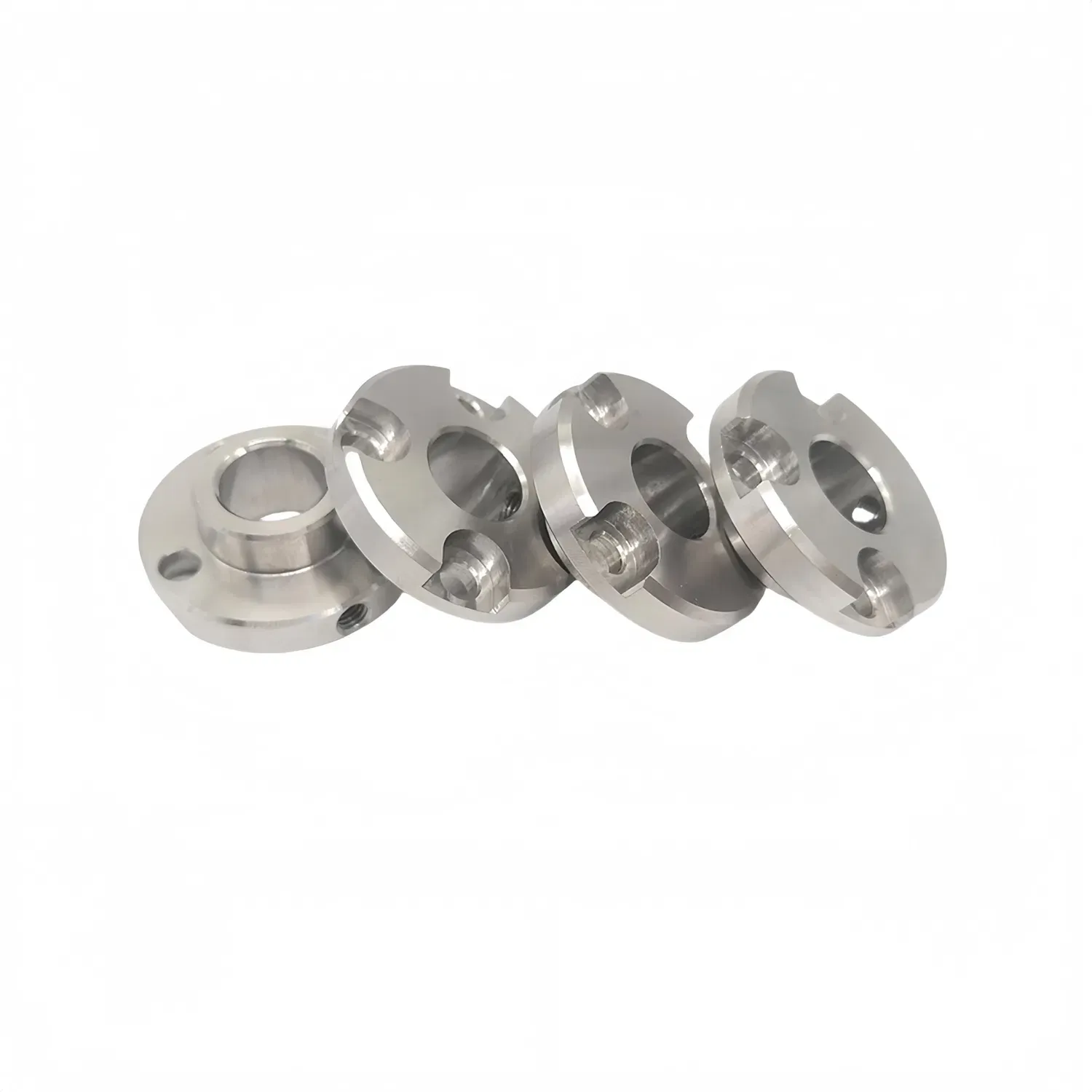
At JIMTOF 2026, held in Japan in November 2026, the conversation in CNC machining was about artificial intelligence. Japanese machine tool and CNC manufacturers showed how AI is being built into manufacturing operations: not as a distant promise, but as tools for machine diagnosis, machining optimisation, setup assistance, and troubleshooting — the tasks that have traditionally depended on experienced operators. Okuma presented a prototype machining centre equipped with an AI agent; FANUC unveiled a Physical AI CNC concept; Yamazaki Mazak, Mitsubishi Electric, and DMG MORI each showed their own AI support for operators and service teams (source: M Report / Nikkan Kogyo Shimbun, November 2026).
For a buyer of machined parts, the question is practical, not technical: does any of this change how I choose a supplier, what I should ask, or what I should expect? The short answer is that AI changes some things and none of the fundamentals. It can make a good supplier faster and more consistent. It cannot make a bad supplier good. This guide explains what was shown, what it means for buyers, and what to ask a supplier that says it uses AI.
What Was Actually Shown
The announcements at JIMTOF 2026 fall into four groups. The first is diagnosis and troubleshooting: Okuma's prototype vertical machining centre, the MB-46VEII, carries an AI agent that analyses machine condition and suggests process improvements, with commercialisation targeted for fiscal year 2027. DMG MORI introduced Service Agent, an AI function that supports machine fault diagnosis and recommends solutions through its myDMGMORI customer portal. Mitsubishi Electric developed an AI agent to make existing CNC machines easier to operate.
The second is setup assistance: Yamazaki Mazak plans to integrate its independently developed AI agent into its cloud service, Mazak iConnect, and its setup support software, Mazatrol DX, to reduce the time spent setting up a machine for a new job. Setup time matters to buyers because it is a large part of the cost of small batches — the fewer hours spent setting up, the more economical a small order becomes.
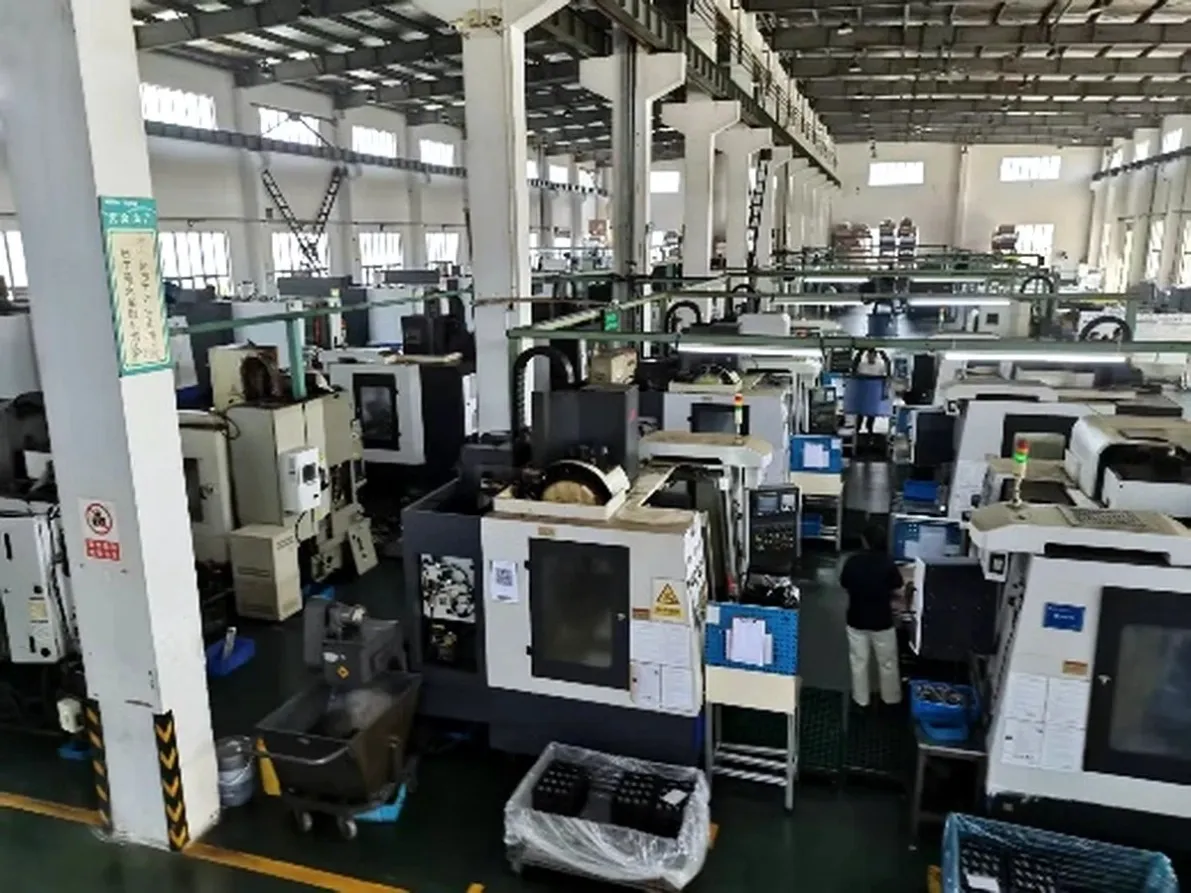
The third is machining optimisation: FANUC's Physical AI CNC concept and MCP Server software are designed to help machine tool builders develop AI applications for advanced machining processes using FANUC CNC systems, including AI-assisted machining optimisation. The aim is to adjust cutting conditions during the job rather than relying only on the program written beforehand.
The fourth is autonomous operation: FANUC's AI Masterless Vision lets robots recognise workpiece shapes and their surroundings using AI, then work autonomously, with shipments scheduled from January 2027. This is aimed at loading and handling tasks around the machine, where skilled labour is hardest to find.
All of these are company announcements, and most are prototypes or scheduled releases rather than equipment already running in production. The buyer should treat them as a direction of travel, not as a capability every supplier already has.
Why Suppliers Are Investing in AI
The driving force is the shortage of skilled labour, and it is the same shortage on both sides of the buying relationship. The machining industry has struggled for years to recruit and retain experienced operators, programmers, and maintenance technicians. In the United States, the America's Cutting Edge programme is expanding free CNC training with new college partners, aiming to reach 53 new locations by 2030, precisely because the pipeline of skilled machinists is too thin (source: America's Cutting Edge, November 2026). AI is being offered as one answer: if an AI agent can help a less experienced operator set up a machine, diagnose a fault, or choose cutting conditions, the shop depends less on the few people who know everything.
For the buyer, the shortage shows up as longer lead times, refused small orders, and quality that varies with who is on shift. A supplier that uses AI well should be more consistent across shifts and less dependent on any single person — not cheaper overnight, but more predictable.
What AI Can Do for the Buyer
The benefits a buyer can reasonably expect fall into three areas. The first is faster setup and shorter lead times for small batches. Setup assistance reduces the time between one job and the next, which is where small orders lose money. If a supplier can set up faster, it can accept small orders more readily and quote them more competitively. The buyer should ask whether the supplier's AI tools actually shorten setup for the buyer's kind of parts, not in general.
The second is more consistent quality: AI-assisted diagnosis can catch a worn spindle, a drifting axis, or a tool wearing faster than expected before it produces bad parts, and AI-assisted optimisation holds cutting conditions steadier through a batch, reducing variation between the first part and the last. For what a good inspection routine covers, see: https://www.kshcnc.com/posts/quality-inspection-custom-metal-parts
The third is better troubleshooting when something goes wrong. A supplier whose machines can diagnose their own faults, and whose service portal can recommend a fix, should recover faster from a breakdown. Recovery speed matters to the buyer because a machine down for a day is a delivery missed by a day. Ask the supplier how it handles a machine fault today, and whether its diagnostic tools have shortened that recovery in practice.
What AI Does Not Change
Four things remain exactly as they were. First, the drawing still rules: AI cannot fix a drawing that is unclear, a tolerance that is tighter than the function requires, or a material choice that does not suit the application. For the general principles of choosing between machining materials, see: https://www.kshcnc.com/posts/cnc-machined-parts-material-selection-guide
Second, measurement still decides acceptance. A part is accepted because it was measured against the drawing, not because an AI system said the machining went well. Ask the supplier what inspection it does, and what records come with the parts — that question matters more, not less, as machines become more automated.
Third, the supplier's judgement still matters: someone must decide whether an AI suggestion suits this material, this fixture, and this batch. A supplier that follows every AI recommendation without question is no better than one that ignores them all.
Fourth, the commercial fundamentals are unchanged. A supplier should still be checked on capability, trial orders, and references before it is trusted with production work. For how to qualify a supplier properly, see: https://www.kshcnc.com/posts/qualify-second-cnc-machining-supplier
Questions to Ask a Supplier That Says It Uses AI
When a supplier mentions AI, the buyer should ask for specifics rather than accept the word. The questions are simple: which machines have AI functions, and what do those functions actually do? Do they shorten setup, diagnose faults, or optimise cutting — and for which kinds of parts? Has the supplier measured the effect, for example in setup time saved or scrap reduced, and can it show the buyer the result? Who operates the system, and what training did they receive? What happens when the AI suggestion conflicts with the operator's judgement — who decides?
A supplier that answers these questions with examples is using AI as a tool. A supplier that answers with general promises about innovation is using AI as a sales word. The difference is worth the five minutes it takes to ask.
The buyer should also ask what AI does not cover: if it helps with setup but not inspection, or covers only new machines while older machines make the buyer's parts, the buyer should know where the benefit actually lands.
How to Weigh AI When Comparing Suppliers
AI should be one factor among several, not the deciding one. A supplier with modern AI-assisted machines but no record of delivering the buyer's kind of parts on time is a worse choice than a supplier with older machines and a strong delivery record. The market is growing — a November 2026 report puts the global CNC machine tools market at USD 92.6 billion in 2026, growing to USD 168.4 billion by 2036 at 6.2% a year (source: ResearchAndMarkets) — and that growth will bring more AI-equipped capacity onto the market. Keep the qualification process the same and add the AI questions to it: if the AI tools make the trial order faster, more consistent, or better documented, they have earned their place in the decision; if they make no difference to the parts received, they should make no difference to the choice.
Comparison Table
AI application shown at JIMTOF 2026 | What it does | What the buyer should ask |
|---|---|---|
Machine diagnosis (Okuma, DMG MORI, Mitsubishi Electric) | Analyses machine condition, diagnoses faults, recommends fixes | Has it shortened recovery from breakdowns on your kind of work? |
Setup assistance (Mazak) | Helps the operator set up the machine for a new job | Does it shorten setup for small batches of my parts? |
Machining optimisation (FANUC) | Adjusts cutting conditions during the job | Can you show measured results — scrap, consistency, time saved? |
Autonomous handling (FANUC AI Masterless Vision) | Robots recognise workpieces and work without fixed programming | Which handling tasks does it cover, and what does it change for my orders? |
Buyer Checklist: AI in CNC Machining
- Ask which machines have AI functions and what each function does.
- Ask for measured results, not general claims — setup time, scrap, consistency.
- Ask who operates the system and what training they received.
- Ask what happens when the AI suggestion conflicts with the operator's judgement.
- Ask what AI does not cover, especially inspection.
- Keep the normal qualification: capability, trial order, inspection, references.
- Judge the AI by the trial parts — faster, more consistent, better documented, or no difference.
- Do not let AI outweigh delivery record, capability, and communication in the decision.
FAQs
Does AI mean my parts will be cheaper? Not necessarily. AI can reduce setup time and scrap, which can lower costs, especially for small batches. But the saving depends on the supplier's real results, not on the fact that it owns AI-equipped machines. Ask for the measured effect.
Should I choose a supplier because it uses AI? No — choose a supplier because it can make your parts, on time, to the drawing, with records. AI is one factor in that judgement, and it should be weighed alongside delivery record, capability, and communication.
Will AI replace the need for skilled operators? No. AI assists operators; it does not replace their judgement. A shop still needs people who understand the material, the fixture, and the part, and who can decide when the AI suggestion is wrong.
Is AI in machining only for large suppliers? Not anymore. The tools shown at JIMTOF 2026 include agents for existing machines, not only new ones. Small and mid-size suppliers can adopt them too, and the buyer should judge each supplier on its own results.
What if my supplier does not use AI at all? That is not by itself a problem. A supplier with well-maintained machines, experienced people, and a strong delivery record can outperform an AI-equipped supplier that lacks those things. Ask about the results, not the equipment list.