CNC Machining
CNC Machined Components: What OEM Buyers Should Specify Before Requesting a Quote
Before requesting a CNC machining quote, OEM buyers should define the drawing, material, tolerances, quantities and inspection requirements. A practical pre-RFQ checklist.
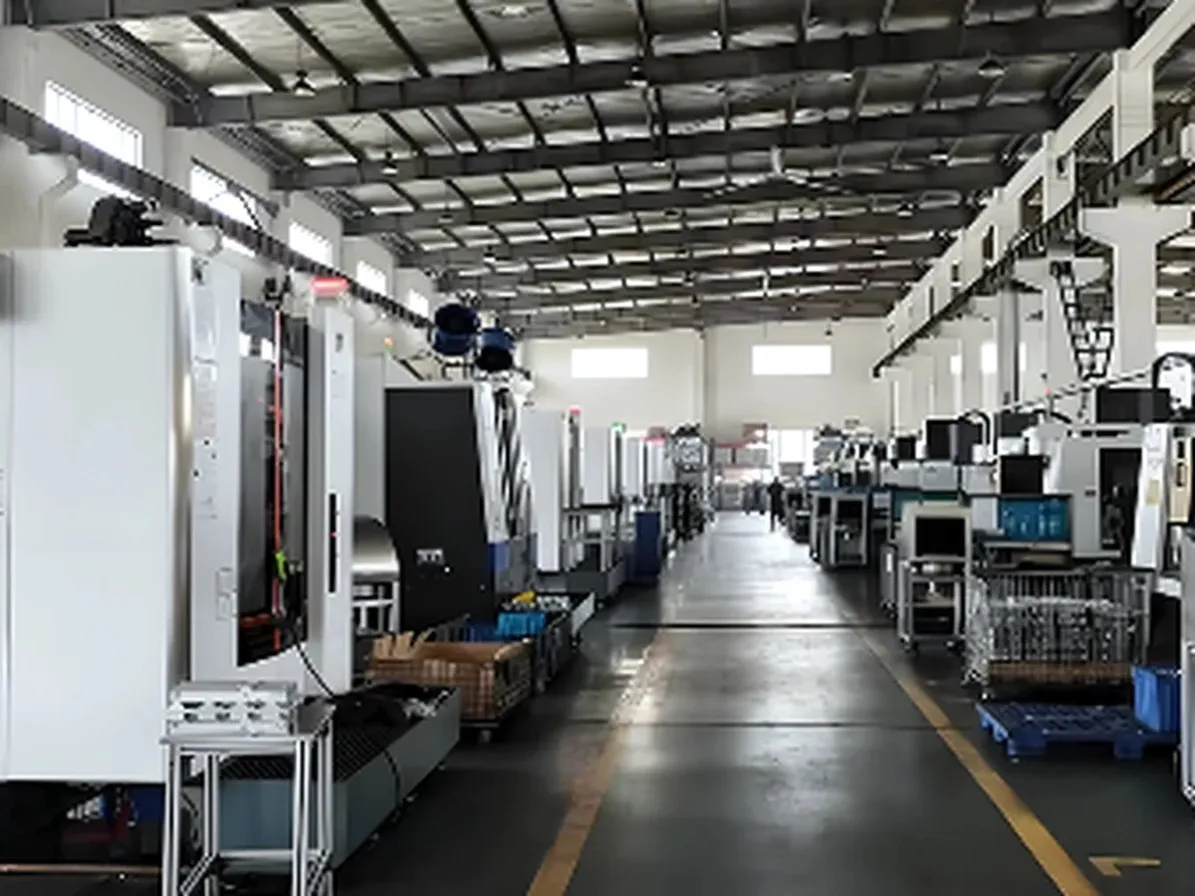
Two buyers can send the same part drawing to a CNC machining supplier and receive quotations that differ by a wide margin - not because the prices are wrong, but because the requests behind them were incomplete. A quote is only as accurate as the information it is based on. If material grade, tolerance expectations, quantities and inspection requirements are missing, a supplier must either ask questions or make assumptions, and both cost time. This article lists what OEM buyers should define before requesting a quote for CNC machined components, so that the first quotation is already close to the final one.
The Problem: Incomplete RFQs Slow Sourcing Down
A typical incomplete request states only the part name and the annual quantity. It leaves the supplier to guess the material, the critical features, the finishing requirements and the documentation the buyer expects. The result is familiar: quotes that cannot be compared, follow-up email chains that last weeks, and re-quotes once the real requirements surface. For an OEM buyer, the fastest way to a usable quotation is a structured request that answers the supplier's questions in advance.
What You Need to Check Before Requesting a Quote
Most of the information a machining supplier needs falls into six groups. First, the drawing itself: a 2D drawing with dimensions and tolerances, ideally with a 3D file (STEP or IGES) for feature verification. Second, the material and its specification - 'aluminum' is not enough; state the grade such as 6061-T6 or 7075, and for steels the standard designation. Third, the tolerance expectations: identify which dimensions are actually critical rather than applying one tight tolerance to everything, because unnecessary precision is a main cost driver. Fourth, the quantity: prototype, pilot and annual volumes, since batch size changes the process and the price. Fifth, surface treatment and finishing - anodizing, plating, passivation or painting - with the relevant specification. Sixth, the inspection and documentation requirements, from dimensional reports to material certificates.
Technical Explanation: Why These Fields Drive the Price
Each requirement maps directly to a cost element in machining. Material specification determines stock availability and machinability. Tolerances determine the number of operations, the fixtures and the inspection effort; a tolerance tightened from +/-0.1 mm to +/-0.02 mm can add operations rather than just time. Surface finishing adds external or in-house process steps with their own lead times. Quantities decide whether parts run one-per-fixture or in multi-part setups on an automated line. And documentation requirements - full dimensional reports, first article inspection or material certificates - add measured hours in quality control. When a buyer defines these fields, the supplier can price the actual requirement instead of a safe estimate. Three mistakes appear again and again in machining RFQs. Three mistakes appear again and again. The first is blanket tight tolerances applied to every dimension, usually copied from a template drawing; this inflates cost without improving function. The second is omitting the material standard, which leads suppliers to quote on an assumption that may not match the application. The third is leaving inspection requirements undefined until after the first delivery, when it turns out the customer expected a full dimensional report that was never priced. All three are avoidable with a structured RFQ.
Practical Steps: A Pre-Quote Checklist
Before sending your next RFQ, confirm the following ten points: 2D drawing with tolerances; 3D file if available; material and standard designation; heat treatment or hardness requirements, if any; critical dimensions explicitly marked; general tolerance class for non-critical features; quantities for prototype, pilot and production; surface treatment specification; inspection and documentation requirements; and target delivery date or annual demand pattern. A request that covers these points can typically be quoted without a round of clarification questions.
How KSHCNC Reviews Machining Inquiries
KSHCNC is a precision manufacturing company based in Kunshan, Jiangsu, China, operating two plants with CNC machining, forging, assembly and testing under one manufacturing group. The machining operation runs 68 CNC machines, including 8 horizontal and 30 vertical machining centers (Mazak, Okuma, HAAS), 30 CNC lathes and one automated machining line, producing components such as manifolds, pump parts, flanges and fittings, certified to ISO 9001 and IATF 16949. When an inquiry arrives with the checklist above, the engineering team can review manufacturability and respond with a quotation based on the real requirements rather than assumptions. Ready to request a quote for a CNC machined component? Send us your drawing, 3D file and requirements, and our team will respond with an initial reply within 24 hours. If you want to see the range of parts we machine, the CNC machined components overview lists typical examples, and more sourcing guides are available in our Technical Resources section.