CNC Machining
CNC Precision Machining & Machined Castings | KSHCNC
Discover KSHCNC's CNC machining support for custom metal parts, including machined motor components, aluminum die castings, steel castings and inspection.
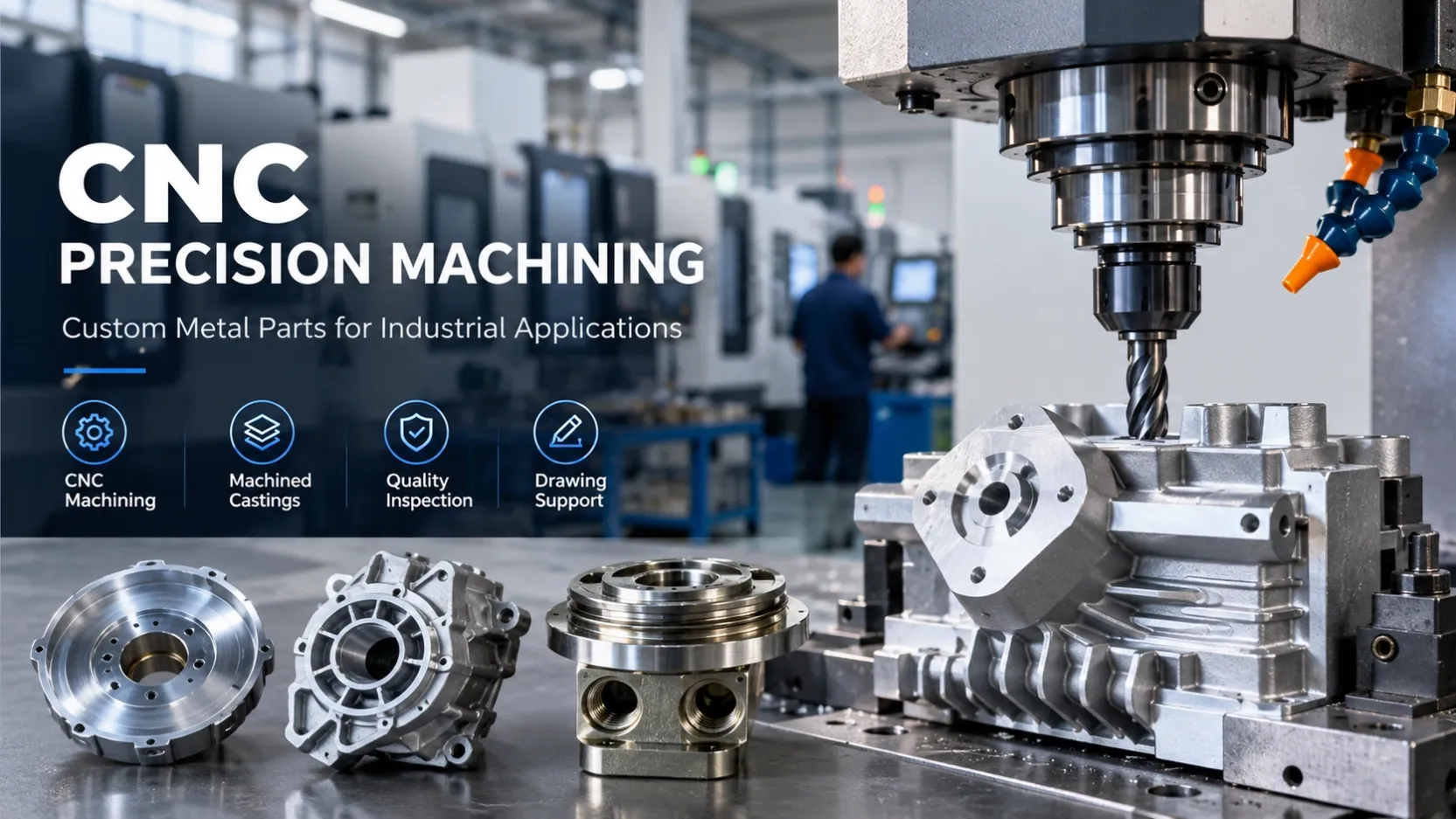
Custom metal parts often require more than one manufacturing process. For components with complex shapes, casting can provide the initial structure, while CNC machining creates the required bores, mounting surfaces and other functional features.
At KSHCNC, we support CNC precision machining for custom industrial components, including parts requiring secondary machining after casting or forging.
Our manufacturing approach combines in-house capabilities with specialized production partners to support different drawings, materials and production requirements.
CNC Turning and Milling Capabilities
CNC turning and milling are used for different features of a metal component.
CNC turning is commonly used for cylindrical surfaces, internal bores, grooves and rotational features.
CNC milling is suitable for mounting faces, slots, pockets and more complex geometries. Drilling and tapping may also be required for assembly holes and threaded connections.
The machining process is selected according to the customer's drawing, material, tolerances and order quantity.
CNC Machining Equipment
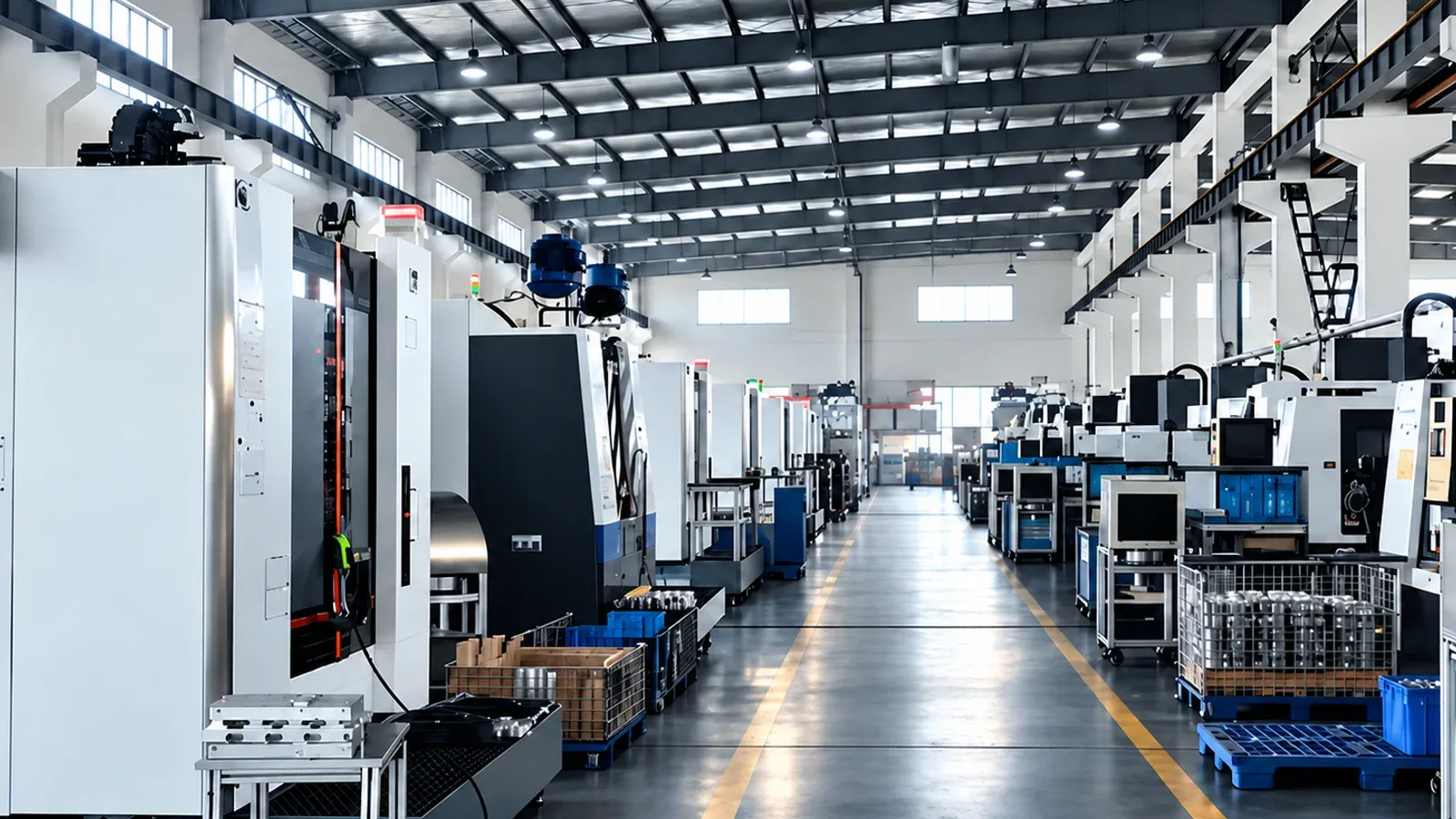
Our machining resources include horizontal machining centers, vertical machining centers and CNC lathes.
Different machines are selected for different component geometries and machining operations. For example, cylindrical parts may require turning, while housings and mounting components often involve milling, drilling and boring.
For each project, we review the drawings and manufacturing requirements before confirming the production process.
This helps us coordinate machining operations and secondary processes when a component cannot be completed through a single operation.
Machined Motor Components: Examples from Our Product Range
Motor components are a practical example of combining casting with CNC machining.
Our product examples include aluminum die-cast parts, steel castings and stainless steel castings with machined features.
Aluminum Die-Cast Components
The examples include circular motor components and housing parts with machined bores, mounting holes and assembly surfaces.
Machined Steel Castings
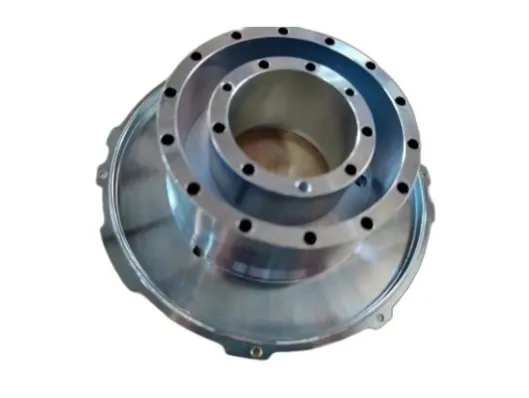
The steel casting example shows a circular component with a central bore and multiple mounting holes. These features can require secondary machining to meet drawing specifications.
Machined Stainless Steel Castings
The stainless steel casting example includes machined internal and external surfaces. The final machining requirements depend on the component's application and assembly needs.
These examples show how casting and machining can be combined for custom metal components.
Secondary CNC Machining for Cast Parts
Casting can produce complex metal shapes, but certain surfaces and features may still require CNC machining.
Typical secondary operations include:
- Finishing mounting faces and mating surfaces
- Machining internal bores and external diameters
- Drilling and tapping mounting holes
- Producing grooves and other assembly features
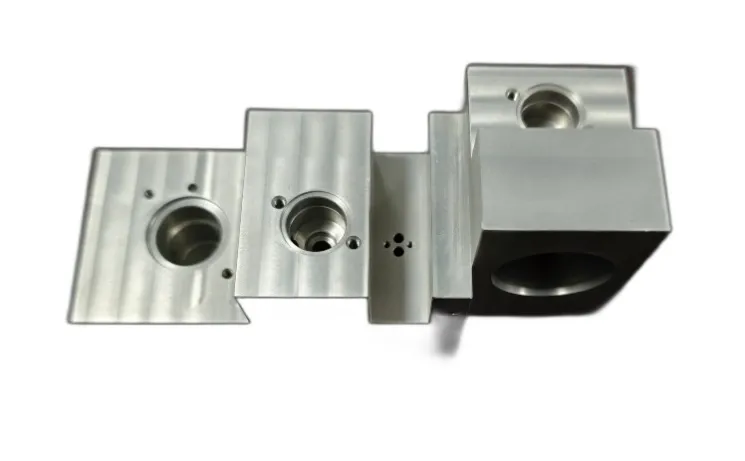
For example, a cast metal housing may require machining around its central opening and mounting locations.
The required operations depend on the drawing, casting material and final assembly requirements.
KSHCNC supports projects involving both casting and machining, with production arrangements reviewed according to each customer's specifications.
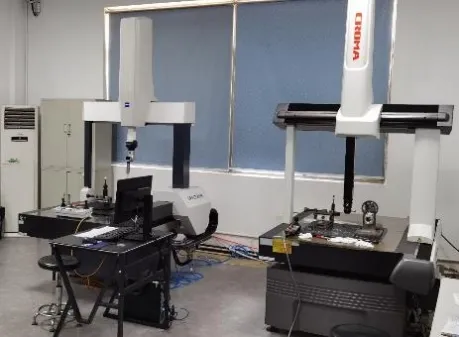
Quality Inspection for CNC Machined Components
Inspection is an important part of custom metal component production, especially for parts with critical dimensions, bores or mounting surfaces.
Depending on the project requirements, inspection support may include:
- Dimensional measurement and CMM inspection
- Surface roughness measurement
- Hardness testing
- Material composition verification
Inspection methods and reporting requirements should be confirmed before production.
For components requiring specific tolerances or material properties, customers are encouraged to identify the critical requirements in their drawings.
What We Need for a CNC Machining Quotation
To help us review your project, please provide the following information when available:
- Technical drawing: PDF, STEP, STP or another available format
- Material: Required material grade or specification
- Quantity: Sample, trial order or estimated production quantity
- Tolerances: Critical dimensions and surface finish requirements
- Additional processes: Casting, forging, heat treatment, coating or other requirements
If your project involves a casting or forging followed by CNC machining, please let us know whether you need a complete finished component or machining of an existing blank.
A clear drawing and material specification will help us evaluate the manufacturing requirements more efficiently.
Discuss Your CNC Machining Project
Looking for custom CNC machined components or cast metal parts requiring secondary machining?
Send KSHCNC your drawings, material requirements and estimated quantity. We can review your project and discuss suitable manufacturing options.