Valve Selection Guide
Understanding NG6, NG10, NG16 and NG25 Hydraulic Valve Sizes
What NG6, NG10, NG16 and NG25 actually mean, how nominal size relates to flow capacity, and how to pick the right valve size for your hydraulic system.
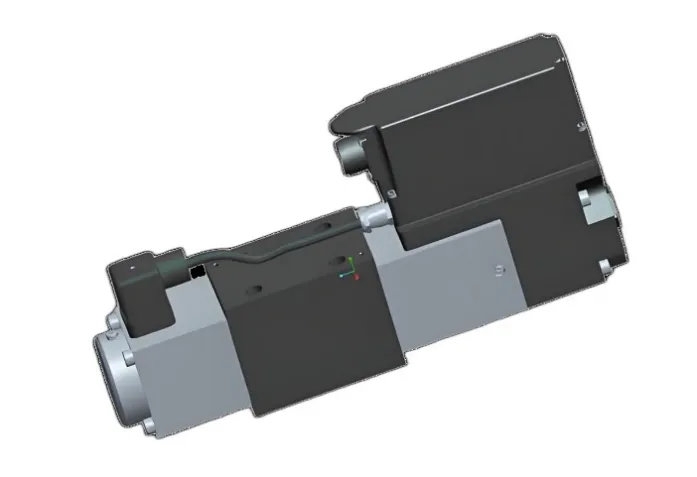
NG stands for Nominalgroesse - the nominal size of a hydraulic valve, defined by the size of its mounting interface. NG6 (also written CETOP 03 or D03), NG10 (CETOP 05 / D05), NG16 and NG25 are the most common sizes for industrial directional, proportional and servo valves. Choosing the right nominal size is one of the first decisions in valve selection, because it fixes the flow capacity, the physical envelope, and the range of spool and electronics options available. This article explains what each size means and how to match it to your flow requirements.
Technical Explanation: What Nominal Size Defines
The nominal size describes the mounting surface per ISO 4401 (and CETOP RP 121H): the pattern of the four mounting bolts, the port positions and the port diameters. A valve of a given NG bolts directly onto a subplate or manifold of the same size, which makes valves from different manufacturers mechanically interchangeable. Flow capacity grows with size: a typical direct-operated proportional servo valve in NG6 handles flows up to roughly 40 L/min, while NG25 two-stage designs reach several hundred L/min. The exact figures depend on the spool and the permitted pressure drop, so always compare rated flow at the same delta p.
The JINFA range illustrates the ladder: the VED03MX (NG6) is rated up to 40 L/min at 350 bar maximum working pressure; the VED05MKH and VED05AMX cover NG10; the VED07MX covers NG16; and the VED08MX (NG25, two-stage) reaches 375 L/min. Every valve is factory pressure-tested up to 450 bar before shipment. Across the range the control principle stays the same - LVDT closed-loop spool positioning with integrated electronics - so moving between sizes mostly changes flow capacity, not control behaviour.
Key Selection Factors
Size the valve for the flow it will actually carry, not for the pipe diameter. Calculate the maximum flow to the actuator, add the leakage and draft allowances, and check the valve's rated flow at your working delta p. An oversized valve costs more and operates at poor opening percentages where resolution is worse; an undersized valve throttles the machine and generates heat. Also check the pressure rating across the whole size range - in the JINFA range it is 350 bar maximum working pressure from NG6 to NG25 - and confirm the subplate or manifold matches the same nominal size and port layout.
Common Applications by Size
NG6 is the workhorse of compact power units, machine tools and test benches, where flows are moderate and panels are tight. NG10 suits mid-size industrial power units and mobile circuits. NG16 and NG25 serve large presses, injection moulding machines, marine drives and heavy machinery, where two-stage designs deliver high flow with full electronic control. Because the mounting interface is standardized, machines are often built with a larger NG manifold than initially needed, so a higher-capacity valve can be fitted later without re-plumbing.
Practical Tips
When replacing a valve, read the nominal size from the nameplate or measure the bolt spacing of the mounting interface - NG6, NG10, NG16 and NG25 are visually distinct. Check whether your machine uses D03/D05 (ANSI) or CETOP 03/05 naming; they map to the same NG sizes. Verify the spool type and electronics on the nameplate as well, because the same NG size is available with many spool variants. If you are designing a new manifold, ask the valve supplier for the recommended cavity and drainage arrangement for two-stage valves early in the layout.
How JINFA Supports Customers
JINFA, the hydraulic valve brand of KSHCNC in Kunshan, China, currently manufactures proportional and servo valves from NG6 to NG25, each pressure-tested up to 450 bar at the factory. Because we machine our own valve bodies and manifolds, we can advise on both the valve size and the surrounding manifold design. Not sure which NG size your application needs? Send us your flow, pressure and application details, and our team will reply with an initial recommendation within 24 hours. More sizing guidance is available in our Technical Resources section.