OEM Sourcing & Manufacturing
Late CNC Parts, Stopped Lines: How to Protect Your Delivery Schedule
A late CNC part can stop your line. Here is why deliveries slip, how to judge a supplier before you order, and what to put in the order to protect your schedule.
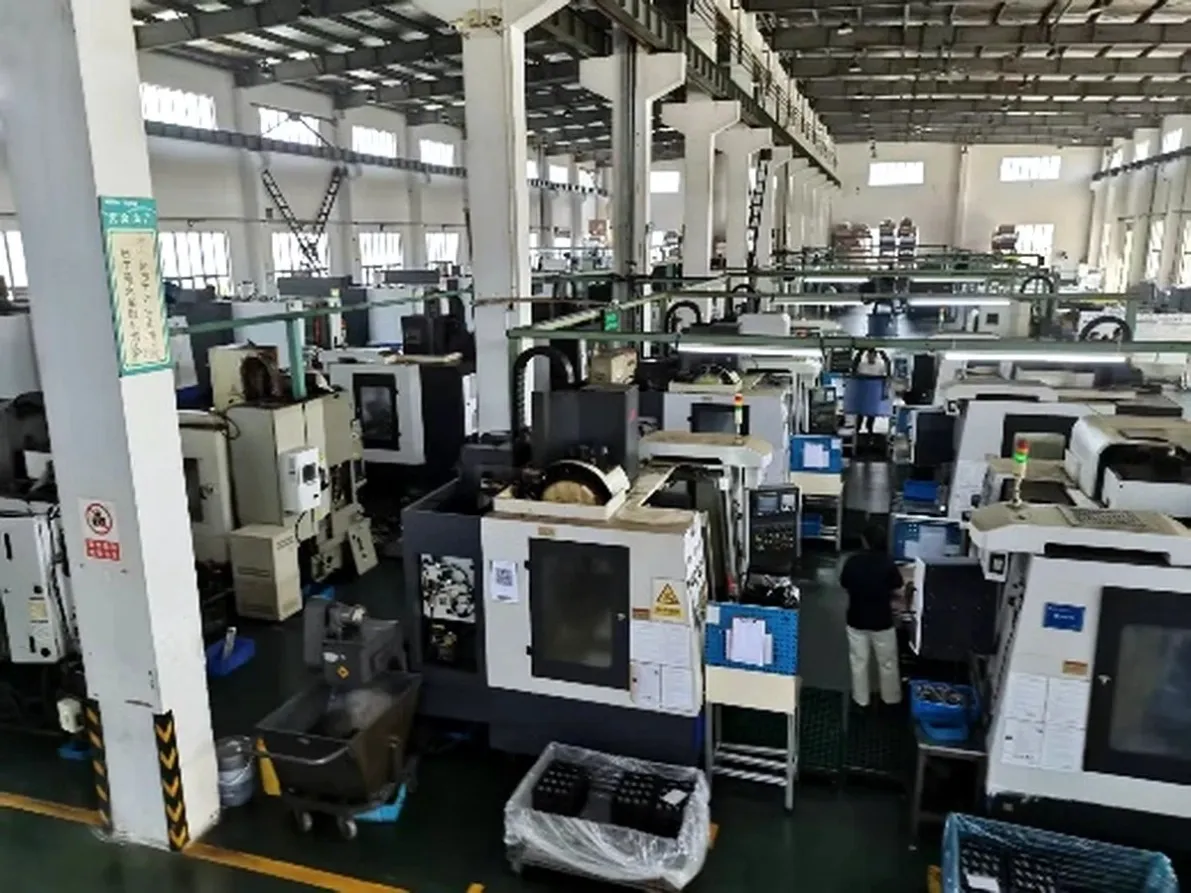
A CNC part that arrives two weeks late is not a small problem. If it is a bracket for a machine you are building, your assembly line stops. If it is a manifold for a customer order, you miss the ship date you promised. The part itself may be perfect when it finally arrives, but by then the damage is done: a stopped line, a missed delivery, and a customer who now doubts your schedule.
Most buyers check price and quality before they place an order. Fewer check delivery reliability with the same care. This article explains why CNC parts arrive late, how to judge a supplier before you order, and what to put in the order to protect your schedule.
What a late delivery really costs
The price of a late part is not the price of the part. It is the cost of everything that waits for it. An assembly line that stops for a missing bracket burns labor hours and machine time while producing nothing. A machine that cannot ship on time puts your own delivery commitment at risk, and your customer may pass the penalty down the chain. Recovery costs money too: overtime, rearranged production plans, and expedited freight to make up lost days.
Why CNC parts arrive late
Late deliveries usually have one of five causes, and knowing them helps you ask the right questions before you order.
First, material. A supplier who does not hold the material in stock must order it, and that order has its own lead time. If the grade is uncommon, the wait can exceed the machining time itself.
Second, capacity. Your job joins a queue. If the supplier's machines are full with other orders, your parts wait — even if the quote promised a short date. A realistic date accounts for the queue; an optimistic date ignores it.
Third, unclear drawings. When a drawing leaves questions open — a tolerance without a reference, a finish without a specification — the supplier must ask, and every round adds days. This is the most avoidable cause, and it starts on the buyer's side. Our guide on what to specify before requesting a quote covers the information that prevents these rounds.
Fourth, inspection failure. If the first batch fails inspection, the parts go back for rework. That is the right outcome, but it costs time that was not in the plan. A supplier who plans inspection time into the schedule recovers faster.
Fifth, subcontracted finishing. Anodizing, plating, and heat treatment are often done by outside shops with their own queues. A part machined on time can still be late if the finishing shop is full. Ask whether its time is inside the promised date.
How to judge delivery reliability before you order
You cannot see the future, but you can test how a supplier thinks about delivery. These questions tell you more than a promised date does.
Ask whether the material is in stock or on order, and when it will arrive. A supplier who knows the answer has already planned your job. One who has not checked is quoting a date built on an assumption.
Ask what the production plan looks like, not just the finish date. Which operations, in what order, and where does inspection fit? A supplier who can describe the plan has thought about it. A supplier who can only repeat the date has not.
Ask what happens if the first batch fails inspection. Is there time in the plan for rework, or does one failed batch push the whole order past the date?
Ask how you will hear about a problem, and when. A supplier who tells you as soon as a delay is likely gives you time to react; silence until the due date is a warning sign in itself.
Ask whether partial shipment is possible. If thirty of fifty parts are ready, shipping them on time may keep your line running while the rest finish.
A second source is insurance, not disloyalty
No single supplier can guarantee every date. Machines break, materials run short, and queues fill up. That is why buyers who depend on one source for a critical part carry a risk they rarely price.
Qualifying a second supplier before you need one costs little and pays off the first time your main supplier slips. It only has to be ready: drawing on file, material understood, first article approved. Then, when the main supplier calls with bad news, you have somewhere to go. Our guide on qualifying a second CNC machining supplier explains how to do this step by step.
What to put in the order
A clear order protects both sides. Before you send it, confirm these eight points:
- Target delivery date, and whether partial delivery on that date is acceptable.
- Material grade and standard, stated in full — not just “aluminum” or “steel”.
- Critical dimensions marked, so inspection focuses where it matters.
- Inspection and documentation requirements stated up front, not after delivery.
- Surface treatment and finishing specification, with the relevant standard.
- A communication trigger: tell me as soon as a delay looks likely, not on the due date.
- A named contact for schedule questions, so you are not starting over each time.
- A qualified second source on file, for the parts your line cannot wait for.
Warning signs worth acting on
Warning sign | What it usually means | What to ask |
A quote arrives fast, with no questions about the drawing | The supplier may have guessed at the unclear points | Which assumptions did you price on? |
A promised date far shorter than every other quote | Something is excluded — often finishing or inspection time | Is finishing and inspection inside this date? |
No update until the due date | Problems surface late, when you have no time to react | How will you update me on progress? |
“Material is on the way” with no arrival date | Material availability was not confirmed before quoting | When exactly does the material arrive? |
No first-article inspection offered | A full batch may be made before anyone checks it | Can we approve a first article before the full run? |
When a delay happens anyway
Even a good supplier will slip sometimes. Ask for a recovery date in writing, not a vague promise. Ask whether a partial shipment can go out on the original date, and what changes for the next order. A supplier who answers is one you can keep working with.
FAQs
How much buffer should I add to a supplier's promised date?
It depends on what is inside the date. If inspection and finishing time are already in the plan, little buffer is needed. If the date covers machining only, add time for inspection, finishing, and freight. Ask what the date includes before you decide.
Should I split an order between two suppliers?
For a critical part, yes — or at least keep a second supplier qualified with the drawing on file. A qualified backup costs little and removes the worst case: no part and no alternative.
What if a supplier will not commit to a date?
That is information, not a failure — the supplier may be honest about a full queue. Ask when they can commit, and what would have to change. A vague date with no explanation is worse than an honest “not yet”.
Does a low price mean a late delivery?
Not necessarily, but check what the price excludes. A quote that leaves out inspection, finishing, or freight is not low — it is incomplete. Compare quotes on the same scope, not the bottom line alone.
How do I check a new supplier's delivery record?
Start with a small trial order. It shows you how they communicate, whether the first article passes, and whether the date holds — the cheapest delivery test there is.
If delivery reliability matters for your next order, send your drawing for a quote — and read our quote guide first so the first quotation is already comparable.