Stainless vs Carbon Steel: The Wrong Choice Costs You in Rework
Pick the wrong steel and you pay twice: rework, returns and field failures. How wholesale buyers choose stainless or carbon steel by application.
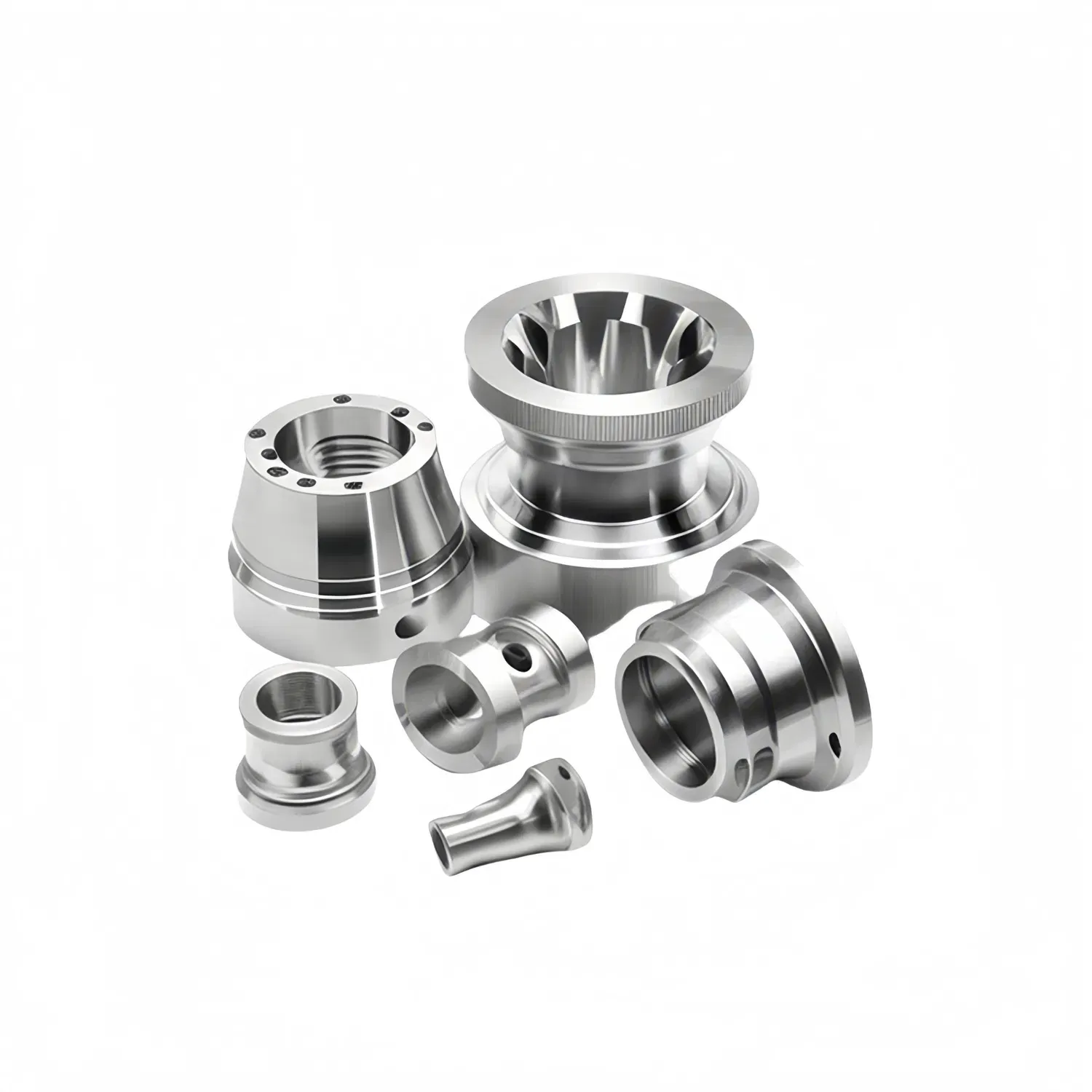
Introduction: The Wrong Steel Costs More Than the Right One
Every wholesale buyer who orders machined parts has seen the same failure at least once. A batch of brackets arrives, fits the drawing, passes inspection, and then rusts in the customer's warehouse before it is ever installed. A shaft that looked right on paper wears out in weeks because the material was chosen for price rather than for the load it carries.
The material decision is made once, but its cost is paid again and again: in rework, in returns, in field failures, and in customers who stop calling. Stainless steel and carbon steel are often treated as interchangeable. They are not. This guide starts from the cost of getting it wrong, then shows how to choose by application: environment, load, wear, and finish.
For a broader view of how to choose between metals for a machined part, see our material selection guide
What Rework Really Costs When the Material Is Wrong
Rework is rarely a single line on an invoice. A part that rusts in service has to be removed, shipped back, remade, and shipped again, and every step carries freight, handling, and inspection. The direct cost of remaking the part is often the smallest part of the bill.
The larger cost does not appear on any invoice. A customer who receives rusted fittings or a shaft that fails early starts to question the supplier, not just the part, and the next order goes to a competitor. The most expensive version of this mistake is the field failure, where downtime and the service visit cost far more than the replacement part.
What Defines Each Steel Family
Carbon steel is steel whose properties are governed mainly by iron and carbon, with only small amounts of other alloying elements. It is the workhorse of machined parts: widely available, familiar to machine shops, and used for shafts, brackets, housings, gears, fasteners, and structural components where corrosion exposure is limited or can be managed with a coating.
Stainless steel adds a substantial amount of chromium and other alloying elements that form a passive surface layer, which gives it its resistance to rust and staining. Common examples buyers see on drawings and quotations include 304 and 316 stainless steel, and 1045 and 4140 on the carbon steel side.
Start with what the part must survive: load and wear in a dry environment points to carbon steel, while moisture, chemicals, or food contact points to stainless steel.
Corrosion: Where the Wrong Choice Shows Up First
Corrosion is the clearest dividing line between the two families, and it is the reason stainless steel is specified at all. Carbon steel rusts when it is exposed to moisture and oxygen without protection. That does not make it unusable: many carbon steel parts perform reliably for years because they are painted, plated, oiled, enclosed, or used indoors.
Stainless steel resists rust and staining far better in wet and outdoor conditions, which is why it is chosen for food processing, marine, medical, and washdown applications. It is not immune to corrosion in every environment: chlorides, aggressive chemicals, crevices that trap moisture, and poor surface finish can still cause problems.
If corrosion failure would cause downtime, contamination, a safety issue, or a warranty claim, the higher material cost of stainless steel is often the cheaper option over the life of the assembly. If corrosion is not a realistic risk, paying for stainless steel adds cost without adding value.
Strength, Hardness and Wear: A Question of Condition, Not Just Family
Buyers sometimes assume stainless steel is always stronger, or that carbon steel is always tougher. Neither assumption holds without knowing the grade and condition.
Carbon steel covers a very wide range. Low-carbon grades are soft, ductile, and easy to form, while medium- and higher-carbon grades and alloy carbon steels such as 4140 can be heat treated to achieve higher strength and wear resistance for shafts, gears, and load-bearing parts.
Stainless steel also covers a wide range, from grades chosen for corrosion resistance and formability to grades chosen for a balance of strength and corrosion resistance. Strength should be judged from the specified grade and heat treatment on the drawing, not from the family name alone.
Wear is a separate question: a part that slides, rotates, or carries repeated contact needs its surface and material considered together.
Machinability: The Hidden Cost Driver at Volume
Machinability affects every wholesale quotation, even when it is not listed as a line item. A material that cuts cleanly and holds tolerance well generally produces parts faster, with less tool wear and fewer rejects. A material that work hardens or wears tools quickly costs more to machine, even if the raw material price looks similar.
Carbon steel is generally regarded as straightforward to machine, particularly in the grades most commonly used for machined parts. Tool life tends to be predictable, chip control is usually manageable, and surface finish is achievable without exotic tooling.
Stainless steel is generally more demanding to machine: it can work harden during cutting, retain heat at the cutting edge, and wear tools faster if feeds, speeds, and tooling are not set correctly. The buyer should expect machining to be a larger cost driver than for an equivalent carbon steel part.
Weldability, Forming and Surface Finish
Carbon steel is generally weldable, with the ease of welding depending on grade and carbon content. Lower-carbon grades weld readily, while higher-carbon and alloy grades may need preheat, controlled cooling, or post-weld treatment to avoid cracking. Confirm the welding procedure with the fabricator before ordering material.
Stainless steel can also be welded, but the weld needs the right filler, and the heat-affected zone may need cleaning or passivation to restore corrosion resistance.
Surface finish is where the two families diverge in appearance as well as function. Carbon steel parts are often plated, painted, blackened, or oiled; stainless steel parts are often supplied machined, brushed, or polished. In both cases, specify the finish by function — what it must protect against and how it will be inspected — not only by appearance. For the main finish options and what they do, see: surface finish options
How to Choose by Application
The choice gets simpler when it is made from the application rather than from habit. Four questions cover most of the decision.
First, the environment. If the part faces moisture, washdown, outdoor weather, food contact, or chemical exposure, stainless steel is the starting point, and the grade should match the severity of the exposure.
Second, the load. What does the part carry, and what happens if it fails? Shafts, gears, and load-bearing parts often favour carbon steel grades that can be heat treated for strength and fatigue performance.
Third, wear. Does the part slide, rotate, or take repeated contact? Identify the wear mechanism and the mating material, then choose the material, heat treatment, and surface treatment together.
Fourth, finish and downstream steps. A carbon steel part that needs a protective coating carries that cost in every order, and a stainless steel part that needs welding carries cleaning and passivation in every order.
Cost Drivers: Material Price Is Only Part of the Quotation
Wholesale buyers who compare only raw material prices miss most of the cost difference between stainless and carbon steel. Material price is the most visible driver, and stainless steel generally costs more per kilogram than carbon steel because of its alloy content. But machining time, tool wear, heat treatment, surface treatment, inspection, and scrap rate all move the final part price as well.
Volume changes the balance. At high volumes, machining time and tool life dominate, and a small difference in cycle time becomes a large difference across a production run.
Compare suppliers on the same drawing, grade, condition, finish, and inspection requirements: a lower price on a different grade or a looser finish is not a like-for-like comparison.
Comparison Table
Factor | Stainless Steel | Carbon Steel |
|---|---|---|
Corrosion resistance | High in wet, outdoor and washdown environments; grade must match the chemical exposure | Low without protection; relies on coating, plating, paint or enclosure |
Typical uses | Food, medical, marine, architectural and washdown parts; fittings exposed to moisture | Shafts, brackets, housings, gears and structural parts in dry or protected use |
Strength and wear | Wide range by grade and condition; judge from the specified grade and heat treatment | Wide range by grade and condition; alloy grades can be heat treated for strength and wear |
Machinability | More demanding; can work harden and wear tools faster; needs correct tooling and cutting practice | Generally straightforward to machine; predictable tool life and chip control |
Weldability | Weldable with the right procedure and filler; weld area may need cleaning to restore corrosion resistance | Generally weldable; higher-carbon grades may need preheat and controlled cooling |
Surface finish | Often supplied machined, brushed or polished; finish relies on the material itself | Often plated, painted, blackened or oiled for protection and appearance |
Cost drivers | Higher material cost plus longer machining time and higher tool wear | Lower material cost and generally lower machining cost; coating cost must be included |
When to choose it | Corrosion, hygiene, appearance or long outdoor life is a real requirement | Load, wear and cost matter most and corrosion can be controlled |
Buyer Checklist: Choosing Between Stainless and Carbon Steel
- Describe the service environment in writing: moisture, washdown, chemicals, outdoor exposure, and temperature range.
- Confirm the mechanical requirements: load, impact, wear mechanism, and whether the part is safety-critical.
- Specify grade and condition, not just "stainless" or "carbon steel" — for example 304, 316, 1045 or 4140 as named examples — and confirm heat treatment if strength matters.
- Check downstream steps: welding, forming, assembly, and whether a coating or passivation step is needed.
- Define surface finish by function and inspection method, not only by appearance.
- Ask the supplier where the cost sits: material, machining time, tooling, heat treatment, finish, and inspection.
- Compare quotations on identical drawings, grades, finishes, and inspection requirements, and confirm material certification is included.
FAQs
Is stainless steel always better than carbon steel for CNC machined parts?
No. Stainless steel is better where corrosion resistance, hygiene, or long outdoor life is required. Carbon steel is often better where load, wear, and cost matter most and corrosion can be controlled with a coating or enclosure. The right choice depends on the part's environment and function.
Which is cheaper to machine at volume?
Carbon steel is generally cheaper to machine, because it cuts more readily and causes less tool wear. Stainless steel generally takes longer to machine and needs more careful tooling. The gap grows with volume, because machining time becomes a larger share of total cost across a production run.
Can I replace a carbon steel part with stainless steel without changing the drawing?
Not without checking. The grade, condition, heat treatment, tolerances, and finish all need to be reviewed. A direct material swap can change strength, wear, weldability, and fit. Confirm the substitution with the supplier and, where needed, with the design owner before ordering.
Do stainless steel parts still need a surface finish?
Often yes, but for a different reason. Carbon steel finishes are mainly protective. Stainless steel finishes are often about appearance, cleanliness, and restoring corrosion resistance after machining or welding. The finish should be specified by what it must achieve in service.
Get a Quote on Your Part
If you are choosing between stainless steel and carbon steel for a part you need to order, send us your drawing and tell us where the part works and what it must survive. We will review the material, the machining, and the finish, and quote the part as drawn. Send your drawing for a quote, and see our buyer quote guide for what to include.